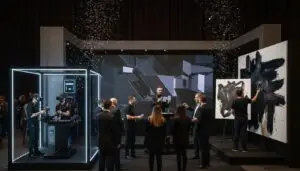

The best holiday parties are the ones people still talk about in January. Whether you’re planning a small office gathering or a company-wide winter gala, choosing the right holiday party entertainment can make—or break—the event. This guide walks you through choosing entertainment that fits your budget, venue, and company culture, covers trends for 2025, and gives practical timelines, sample budgets, logistics checklists, and FAQs so you can plan with confidence.
Top Holiday Party Entertainment Types

Start by matching entertainment style to the tone of your event. Below are the categories most used for corporate holiday parties, with when they shine and what to expect.
- DJs and Live Bands — Great for larger parties where dancing is a priority. Bands create atmosphere; DJs offer playlist flexibility and MC skills.
- Interactive Game Shows & Trivia — Ideal for engagement and team-building during a seated event or reception. Highly scalable and inclusive.
- Comedians and Emcees — Best for formal dinners or award nights; a professional host keeps the evening flowing.
- Magicians and Strolling Performers — Perfect for cocktail hours and mingling; they create memorable conversations.
- Photobooths and Interactive Photo Experiences — Guaranteed social-media-friendly moments and branded takeaways.
- Caricature Artists and Live Painters — Provide unique souvenirs and slow down busy networking periods.
- Casino Tables and Themed Gaming — Works well for larger budgets and provides structured, social entertainment.
- Dance Troupes, Aerial Acts, and Specialty Acts — High-impact spectacle for gala-level events.
- Virtual/Hybrid Entertainment — Live-streamed acts, remote game shows, and virtual escape rooms for distributed teams.
Which entertainment is right depends on your goals: celebrate, reward, or reconnect. If team bonding is a primary goal, interactive formats outperform passive entertainment.
How to Choose the Perfect Holiday Party Entertainment

Make decisions using four core filters: purpose, audience, budget, and logistics.
-
Purpose: What do you want to achieve?
- Employee appreciation: intimate experiences (dinners, intimate performers).
- Team building: interactive game shows and group challenges. See our guide to team building activities for more ideas that work well at holiday events.
- Brand celebration or client-facing event: high-production bands, signature experiences.
-
Audience: Consider age range, cultural background, and accessibility needs.
- Multi-generational groups prefer mixed programming (cocktail performers + dance floor + games).
- Keep religious and cultural inclusivity in mind—offer non-denominational themes and varied food/entertainment options.
-
Budget: Determine a realistic entertainment line item early (see sample budgets below).
-
Logistics: Venue size, ceiling height, power, acoustics, and load-in windows determine what can physically happen at your venue.
Decision checklist:
- Does this entertainment require a stage or special rigging?
- How many performers and crew are needed?
- Will noise levels conflict with speeches or award segments?
- Is there a plan for inclement weather for outdoor elements?
If you want a high-engagement option that scales easily, consider a corporate game show format. For more on scaling game shows and engagement, check Boost Team Engagement with Our Corporate Game Show Services.
Budget Guidance: How Much Should You Expect to Spend?
Budgets vary widely depending on location, talent level, and production needs. Below are realistic ranges and what influences cost.
Sample budget ranges (U.S. market approximation):
- Small office party (50–100 guests): $1,500–$7,000 — DJ or single performer, minimal A/V, basic photobooth.
- Mid-size party (100–300 guests): $7,000–$25,000 — Live band or premium DJ, multiple interactive stations, professional lighting.
- Large gala (300+ guests): $25,000–$100,000+ — Headlining entertainment, full production, high-end décor and staging.
Cost drivers:
- Talent fees (headline musicians or specialty acts)
- Production (sound, lighting, staging)
- Travel and accommodations for talent
- Insurance and permits
- Customization and branding
- Staffing (hosts, MCs, tech crew)
Hidden costs to watch for: overtime fees, late-night labor, power upgrades, additional insurance, and travel surcharges. For a deeper dive into hidden costs when booking interactive entertainment, see Uncover Hidden Costs Before Booking Team-Building Game Shows.
Timeline: When to Book Entertainment
- 6–12 months before (large gala, high-demand bands, luxury acts): Lock in headline talent and major vendors.
- 3–6 months before (mid-size events): Book bands, DJs, emcees, photobooths, and interactive stations.
- 6–12 weeks before (small office parties): Book DJs, magicians, and local performers.
- 2–4 weeks before: Finalize run-of-show, seating, and tech riders.
Reserve any travel-heavy or specialty acts early—popular entertainers fill holiday weekends quickly.
Venue & Logistics Considerations
Not all entertainment fits every venue. Confirm these with your venue manager before booking.
- Load-in/load-out windows and elevator access
- Stage dimensions, rigging points, and ceiling height
- Power availability (generators or distro may be needed)
- Sound restrictions and curfews
- Accessibility (ramps, seating for attendees with mobility devices)
- Insurance requirements and certificates of insurance (COI)
If your venue has noise restrictions, consider quieter, high-impact options like photobooths, magicians, or seated comedy.
Guest Count Guidance: What Works For Your Size?
- Under 100: Intimate acts—strolling magicians, acoustic bands, caricaturists, and interactive games that encourage small teams.
- 100–300: Combinations work well—band or DJ + interactive stations and a stage host to guide transitions.
- 300–1,000+: Big production—headline entertainment, multiple activity zones, lounges to manage flow.
Design entertainment flow so there’s always something happening for guests who prefer to mingle instead of dancing.
Comparison: Interactive vs Passive Entertainment
Interactive Entertainment
- Pros: Boosts engagement, memorable, great for team building
- Cons: Requires facilitation, can be higher per-guest cost
Passive Entertainment
- Pros: Easier logistics, lower hands-on coordination
- Cons: Less engaging, fewer shared memories
Choose interactive options when your goal is connection; choose passive when budget or venue constraints dominate.
Trending Holiday Party Entertainment Ideas for 2025

Trends to consider that will be fresh and relevant for this season:
- Hybrid/Virtual Experiences: Full livestream packages, remote game-show formats, and hybrid photobooths for remote employees.
- Immersive Themed Experiences: Small, themed activations (speakeasy, winter carnival) with curated food and entertainment.
- Tech-Enabled Interactivity: Augmented-reality photo walls, AI-powered music selection, and touchscreen voting for awards.
- Micro-Experiences: Multiple short activations (5–15 minutes) instead of a single long center-stage act to maintain energy.
- Wellness & Alcohol-Free Zones: Dedicated areas with mocktail bars, wellness activities, and low-sensory options.
These trends help create inclusive, memorable events that cater to diverse employee needs.
Virtual & Hybrid Holiday Party Entertainment
Virtual options are no longer an afterthought. They’re essential when team members are remote.
Popular virtual formats:
- Live-streamed emcees and performers
- Virtual game shows and trivia with live hosts
- Mail-out boxes with DIY cocktail or dessert kits paired with a guided virtual experience
- Remote photo experiences that generate shareable images and branded GIFs
Plan virtual logistics: test streaming bandwidth, provide remote run-throughs with hosts, and mail physical attendee kits in advance.
Common Mistakes to Avoid
- Booking talent without reviewing a rider—equipment and space needs can derail your setup.
- Waiting too long—good acts are booked early, especially over the holidays.
- Overloading the schedule—don’t pack every minute; allow breathing room and social time.
- Ignoring accessibility and inclusivity—ensure entertainment is appropriate for all cultures and abilities.
- Skipping a backup plan—always have a contingency for performer cancellations or weather.
Contracts, Insurance, and Backup Plans
Always insist on a clear contract with:
- Payment schedule and deposit amount
- Cancellation and force majeure clauses
- Technical rider and setup requirements
- Overtime and travel fee conditions
Confirm insurance: require a COI naming your company and venue; typical events request general liability coverage.
Backup plan essentials:
- Walk-through alternative load-in and performance areas
- Standby performers or substitute acts pre-arranged
- Clear escalation contact list (vendor, venue, production manager)
How Entertainment Delivers ROI (Employee Engagement & Retention)
Well-executed holiday events contribute to retention and morale. Benefits include:
- Increased employee appreciation and loyalty after recognition at events
- Improved cross-team relationships that reduce internal friction
- Positive employer branding for recruiting and referrals
Track ROI with surveys: measure satisfaction, perceived recognition, and specific takeaways (networking, morale increase).
Accessibility and Inclusivity Checklist
- Offer non-alcoholic drink options and quiet spaces
- Choose entertainment that is culturally sensitive and non-denominational when appropriate
- Provide captioning for virtual shows and accessible seating plans
- Offer sensory-friendly time slots or zones for neurodiverse attendees
Sample Run-of-Show (For a 3-hour Corporate Holiday Party)
- 6:00–6:30 PM — Guest arrival, cocktail hour, strolling magicians
- 6:30–7:15 PM — Seated dinner, background music (live or DJ)
- 7:15–7:45 PM — Awards, brief speeches, emcee
- 7:45–8:30 PM — Headliner performance or interactive show
- 8:30–10:00 PM — DJ and dancing, photobooth active, late-night snacks
Allow flexibility—if a segment runs long, prioritize key moments (awards, headline act).
Quick Planning Checklist (Two-Page Snapshot)
- Define event goals and target guest count
- Set entertainment budget and priority experiences
- Book headline and core interactive vendors (3–6 months ahead for mid-size)
- Confirm venue logistics and technical rider compatibility
- Finalize run-of-show and communications to staff
- Arrange back-up performers and test virtual streaming
- Collect post-event feedback and measure KPIs
FAQs
How far in advance should I book holiday party entertainment?
For headline acts and peak holiday dates, book 6–12 months in advance. For local DJs and smaller performers, 6–12 weeks can be sufficient.
What entertainment works best for mixed-age groups?
Mix formats: strolling performers during cocktails, seated or stage shows during dinner, then a DJ for dancing. Micro-experiences let people choose how to participate.
How do I budget for both entertainment and production?
Allocate roughly 30–40% of your total event budget to entertainment and production for mid-size to large events. Adjust by event goals and guest experience priorities.
What do I do if a performer cancels last minute?
Have a clause in the contract requiring a replacement of similar caliber or a plan for a standby performer. Keep a short list of trusted local vendors who can step in.
Are virtual entertainment options engaging for holiday parties?
Yes—when they’re produced with audience interaction and good technical rehearsal. Pair virtual segments with mailed kits or local meetups for hybrid engagement.
Closing Tips
- Start with a clear goal—every entertainment decision should support that objective.
- Balance spectacle with intimate moments so all employees feel included.
- Ask for references and performance videos, and request a pre-event rehearsal if possible.
If team building is a primary objective for your holiday gathering, explore how interactive experiences can double as engagement tools—our team building activities guide is a useful companion when designing activities that deliver real workplace benefits.
Ready to transform your holiday party into an unforgettable celebration? Begin by drafting your event goals, then prioritize entertainment that creates shared moments—those are what your team will remember long after the decorations come down.